Quartz vs. Granite Countertops: Which Is Best for Your Kitchen?
Choosing the right countertop material is one of the most important decisions in any kitchen design. Counter



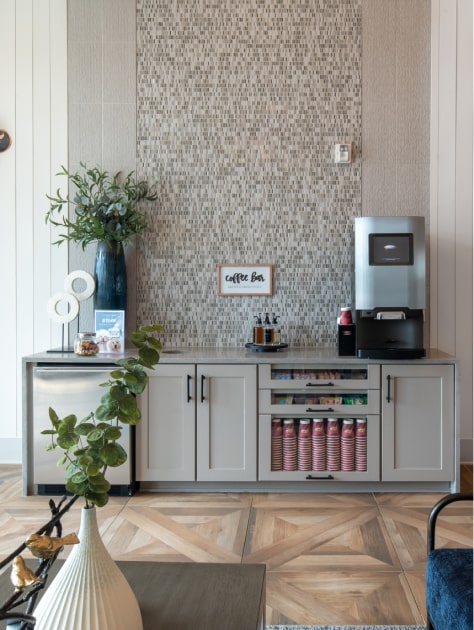
In the ever-evolving world of kitchen design, trends come and go—but some choices remain consistent favorites. One of those is framed cabinetry, a time-tested construction style that continues to dominate both residential and multifamily markets. While sleek frameless cabinets have gained traction in some modern settings, framed cabinets remain the preferred choice for many developers, contractors, and interior designers—and for good reason.
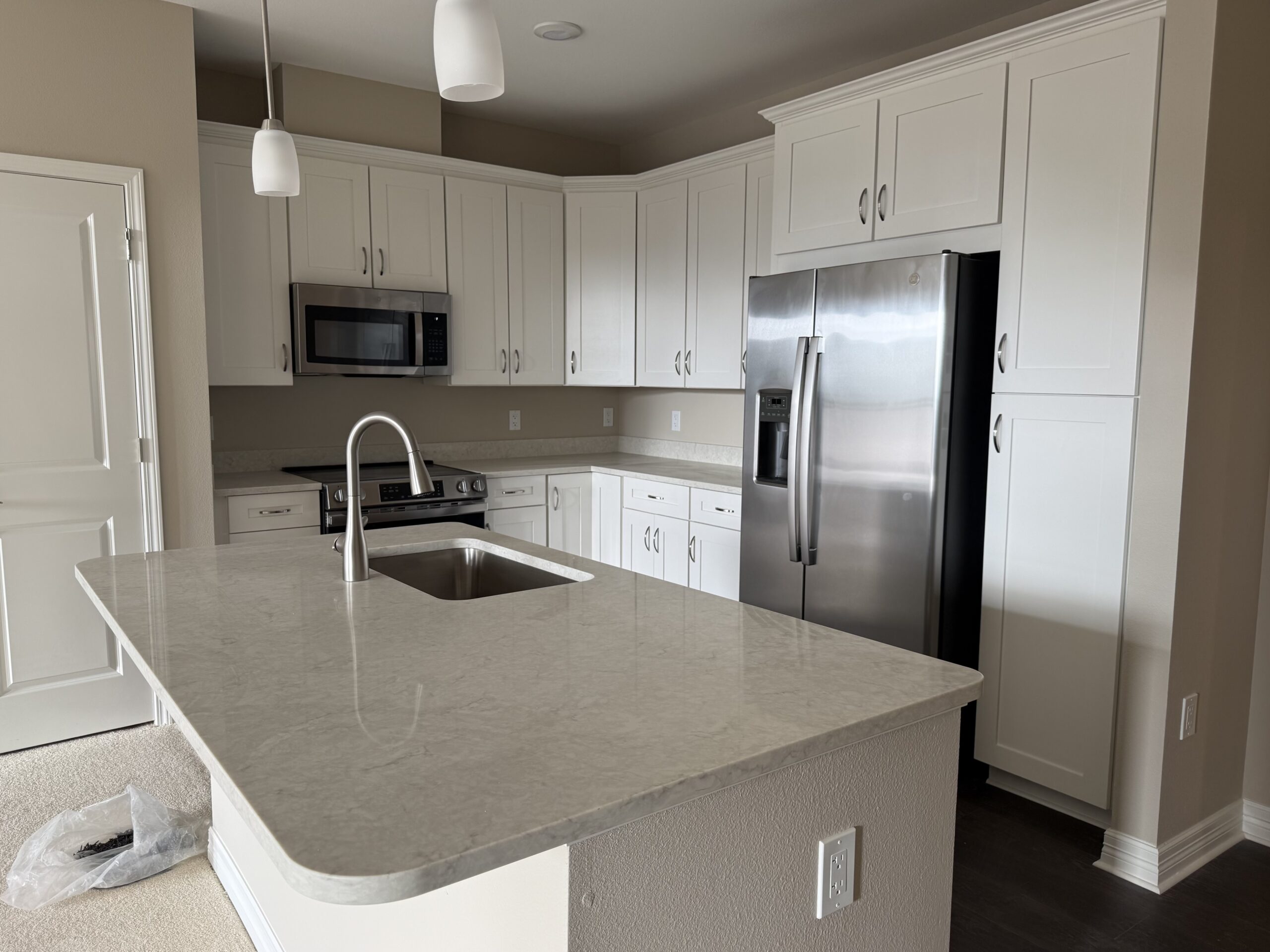
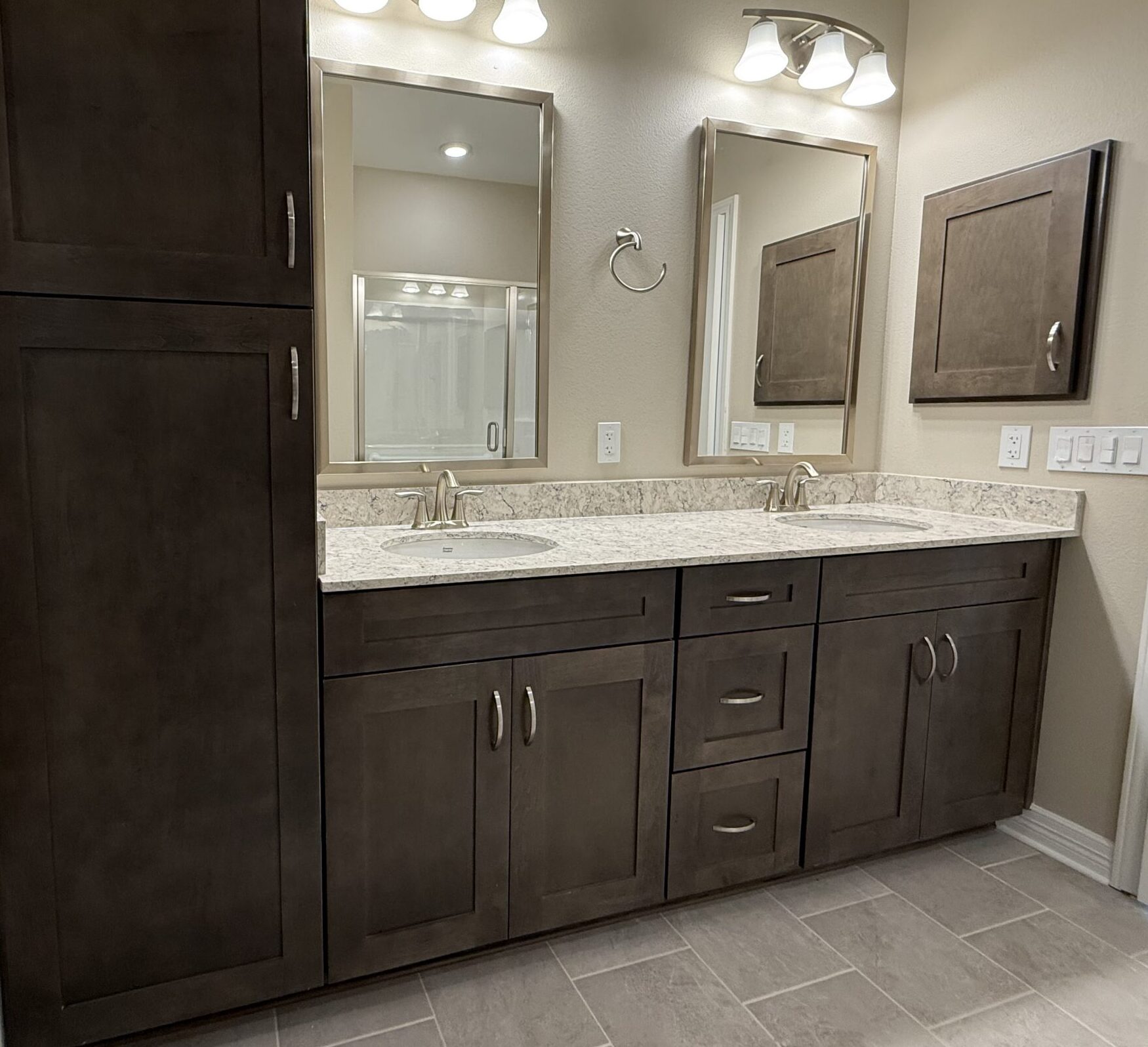
Framed cabinets feature a face frame—usually made of solid hardwood—that’s attached to the front of the cabinet box. This frame reinforces the structure and serves as a mounting surface for doors and drawers. It’s the traditional American cabinet style, known for its strength, versatility, and classic appearance.
In high-traffic environments like multifamily housing, cabinet durability is non-negotiable. The face frame adds an extra layer of stability, making the cabinet box more rigid and resistant to warping over time. This construction style holds up better under frequent use, multiple turnovers, and long-term wear—an essential feature for developers looking to minimize maintenance costs.
Framed cabinets offer timeless appeal. Whether you’re outfitting a luxury high-rise or a market-rate renovation, the clean lines and traditional structure blend easily with a variety of door styles—from shaker to raised panel. This flexibility allows designers to adapt framed cabinets to different tenant demographics and aesthetic goals.
Because doors are attached directly to the face frame, they tend to stay better aligned over time. Hinges can be mounted with more precision, making it easier to maintain a uniform appearance. For property managers, this means fewer issues with sagging doors and easier adjustments during routine maintenance.
While framed cabinets aren’t necessarily the cheapest option on the market, they deliver exceptional value. Their strength and longevity reduce the need for frequent repairs or replacements, and their widespread availability helps keep lead times predictable—an important factor for keeping large-scale projects on schedule.
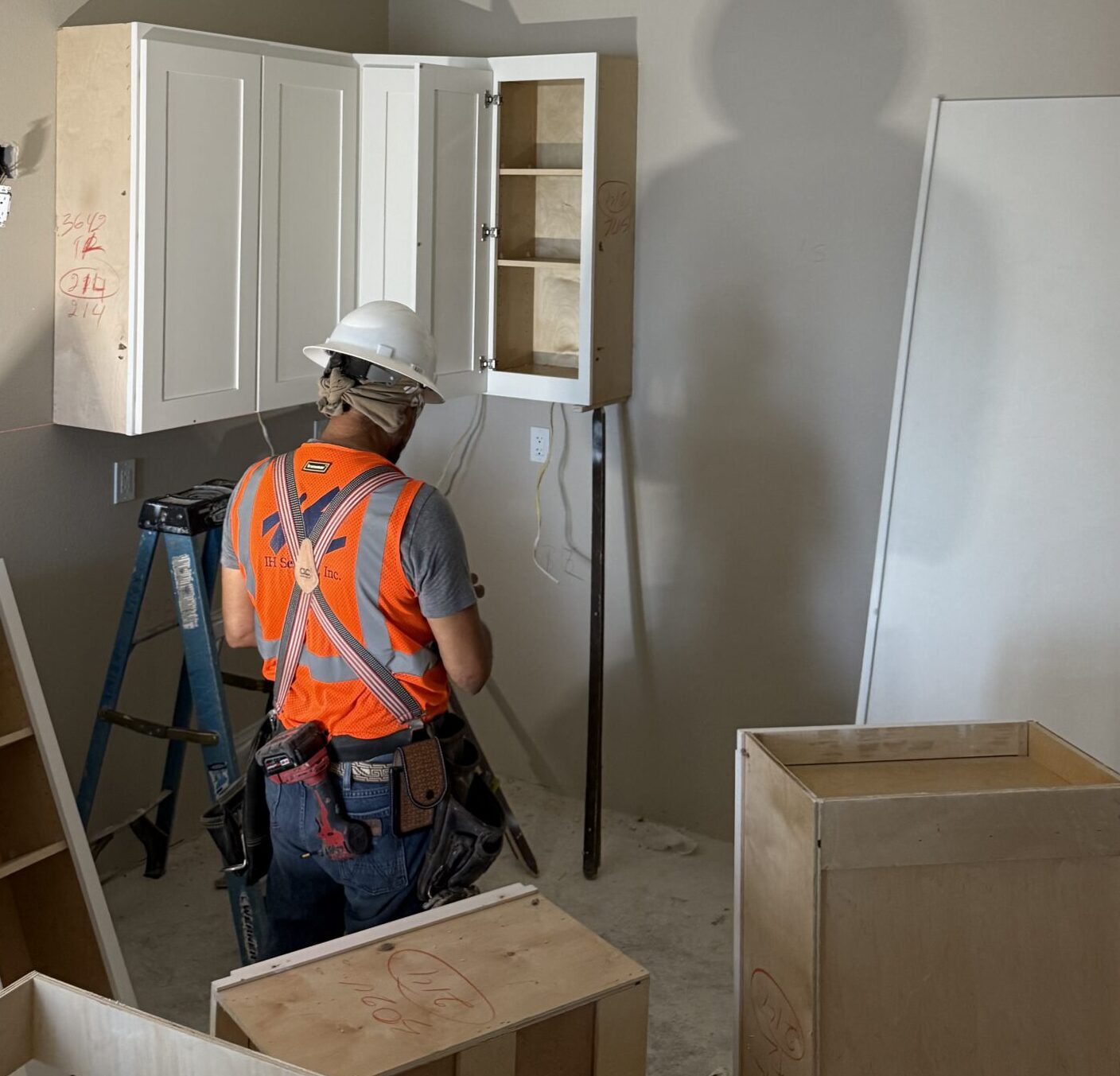
Framed cabinets are often a better fit with common U.S. construction methods, especially in wood-framed buildings. They’re more forgiving during installation, especially in buildings where walls may not be perfectly plumb or level—common in both new construction and renovations.
At Kitchen Cabinets Inc. (KCI), we’ve seen firsthand why framed cabinets continue to lead the market. Our product lines are engineered for multifamily durability, offering framed options that combine structural integrity with timeless design. Whether you’re aiming for classic charm or a transitional look, KCI’s framed cabinets are built to perform—and impress.
Need durable, stylish framed cabinets for your next multifamily project? Contact KCI today for product recommendations, finish options, and support from design to delivery.
Choosing the right countertop material is one of the most important decisions in any kitchen design. Counter
When it comes to multifamily construction projects, selecting the right cabinet manufacturer is one of the m
When developing, renovating, or managing apartment communities, cabinetry plays a critical role in both resident sa