How Cabinet Selection Can Impact the Timeline of a New Apartment Construction Project
When planning a new multi-family apartment development, every stage of construction has to work together to keep th


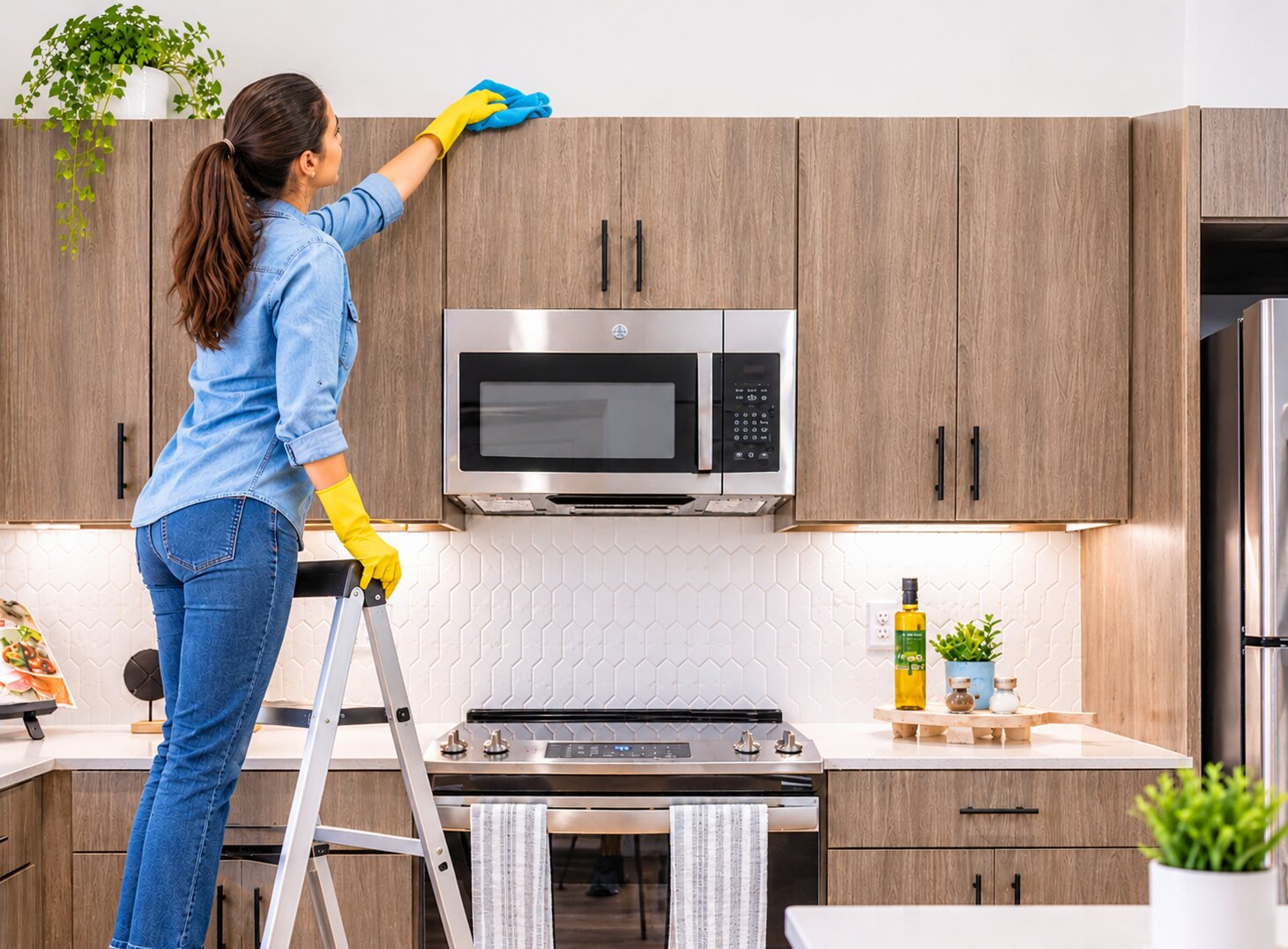
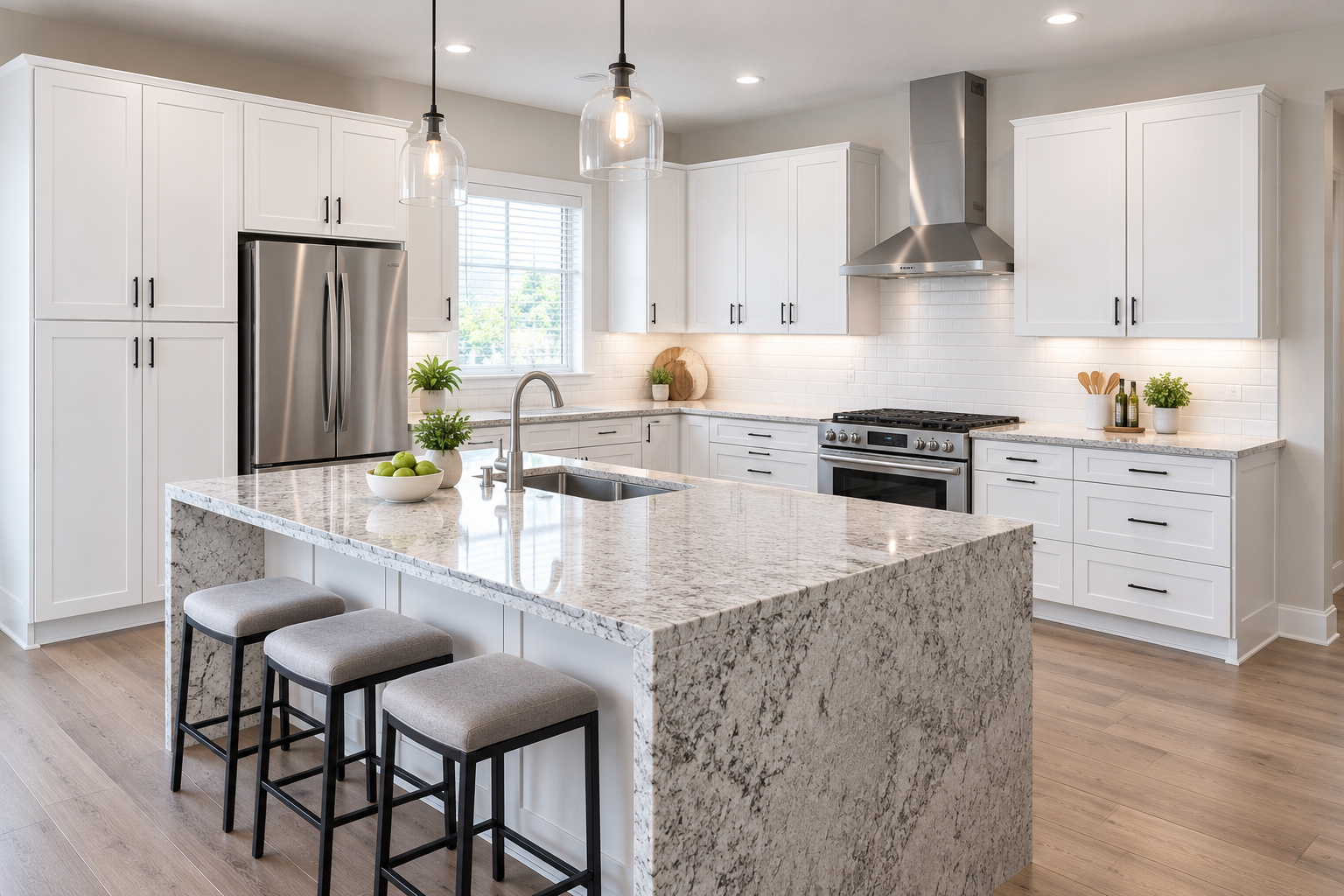
Kitchen cabinets are one of the most frequently used features in any apartment kitchen, but the tops of cabinets are often overlooked during routine cleaning. Over time, dust, grease, and cooking residue can accumulate on these surfaces, creating a sticky buildup that becomes more difficult to remove the longer it sits.
For multi-family property owners, developers, and maintenance teams, understanding proper cabinet care can help maintain a clean, attractive appearance in apartment kitchens while extending the life of the cabinetry.
The tops of kitchen cabinets are easy to forget because they are often out of sight. However, cooking releases airborne grease and moisture that can settle on nearby surfaces. When this residue mixes with dust, it creates a sticky film that can be challenging to clean.
In apartment kitchens, regular cleaning is especially important between resident turnovers. Addressing these overlooked areas helps maintenance teams prepare units for new residents and maintain consistent property standards.
Cleaning cabinet tops does not require expensive products or complicated techniques. Following a few simple steps can help remove buildup without damaging the cabinet finish.
Begin by removing loose dust, crumbs, and debris with a microfiber cloth or vacuum attachment with a soft brush. This prevents dust from turning into a muddy residue when moisture is introduced.
If cabinets extend close to the ceiling, use a stable step stool or an appropriate extension tool rather than stretching or climbing on countertops.
For most cabinet surfaces, warm water mixed with a small amount of mild dish soap is a good starting point. Dampen a soft cloth with the solution, making sure it is not soaking wet.
Avoid abrasive cleaners, scouring pads, harsh chemicals, and excessive water. These can damage paint, discolor finishes, or affect cabinet materials. Always follow the cabinet manufacturer’s care instructions and test any cleaning solution on a small, inconspicuous area first.
Gently wipe the cabinet tops to loosen grease and accumulated residue. For heavier buildup, allow the damp cloth to rest briefly on the affected area before wiping again. Do not pour cleaning solution directly onto the cabinets.
If the residue is particularly stubborn, repeat the process rather than scrubbing aggressively. Gentle, repeated cleaning is generally safer for cabinet finishes.
After cleaning, wipe the surfaces with a separate cloth dampened with clean water. This helps remove any remaining soap or cleaning solution that could attract additional dirt.
Use a clean, dry microfiber cloth to remove any remaining moisture. Keeping cabinet surfaces dry is especially important for wood cabinets and other materials that may be damaged by prolonged exposure to water.
Once the cabinet tops are clean and dry, consider adding them to a regular maintenance schedule to prevent heavy buildup from returning.
The ideal cleaning schedule depends on how frequently the kitchen is used, the amount of cooking performed, and the distance between the cabinets and the ceiling.
For apartment properties, maintenance teams can use the following general guidelines:
Establishing a consistent cleaning routine helps reduce the time and effort required to remove accumulated grime later.
Even well-intentioned cleaning practices can cause unnecessary wear when the wrong products or techniques are used.
Keep these precautions in mind:
When maintaining multiple apartment units, using consistent cleaning procedures and manufacturer-approved products can help protect cabinetry throughout the property.
Cabinetry is a highly visible part of an apartment kitchen. Even when cabinet doors and drawer fronts are in good condition, accumulated grease and dust above the cabinets can make the entire space appear neglected.
For property managers and maintenance teams, routine cabinet care supports a cleaner presentation during apartment turnovers, helps protect finishes from avoidable damage, and promotes a consistent standard of cleanliness across units.
Cabinet selection also plays a role in long-term maintenance. Choosing appropriate cabinet materials and finishes for the property’s needs can make routine cleaning more manageable and help maintain a polished appearance over time.
Also Read: Safe and Effective Products for Cleaning Kitchen Cabinets
Maintaining clean, well-cared-for cabinetry is an important part of preserving the appearance and functionality of apartment kitchens. Simple habits, such as regularly cleaning the tops of cabinets and using the right cleaning products, can make a noticeable difference.
At Kitchen Cabinets Inc. (KCI), we provide cabinet solutions for multi-family apartment construction projects, helping cabinet contractors, developers, and builders find options that meet their project requirements. From cabinet selection to project coordination and installation, our team is committed to delivering reliable service and quality cabinetry.
Contact Kitchen Cabinets Inc. today to learn more about our multi-family cabinetry solutions for your next apartment construction project.
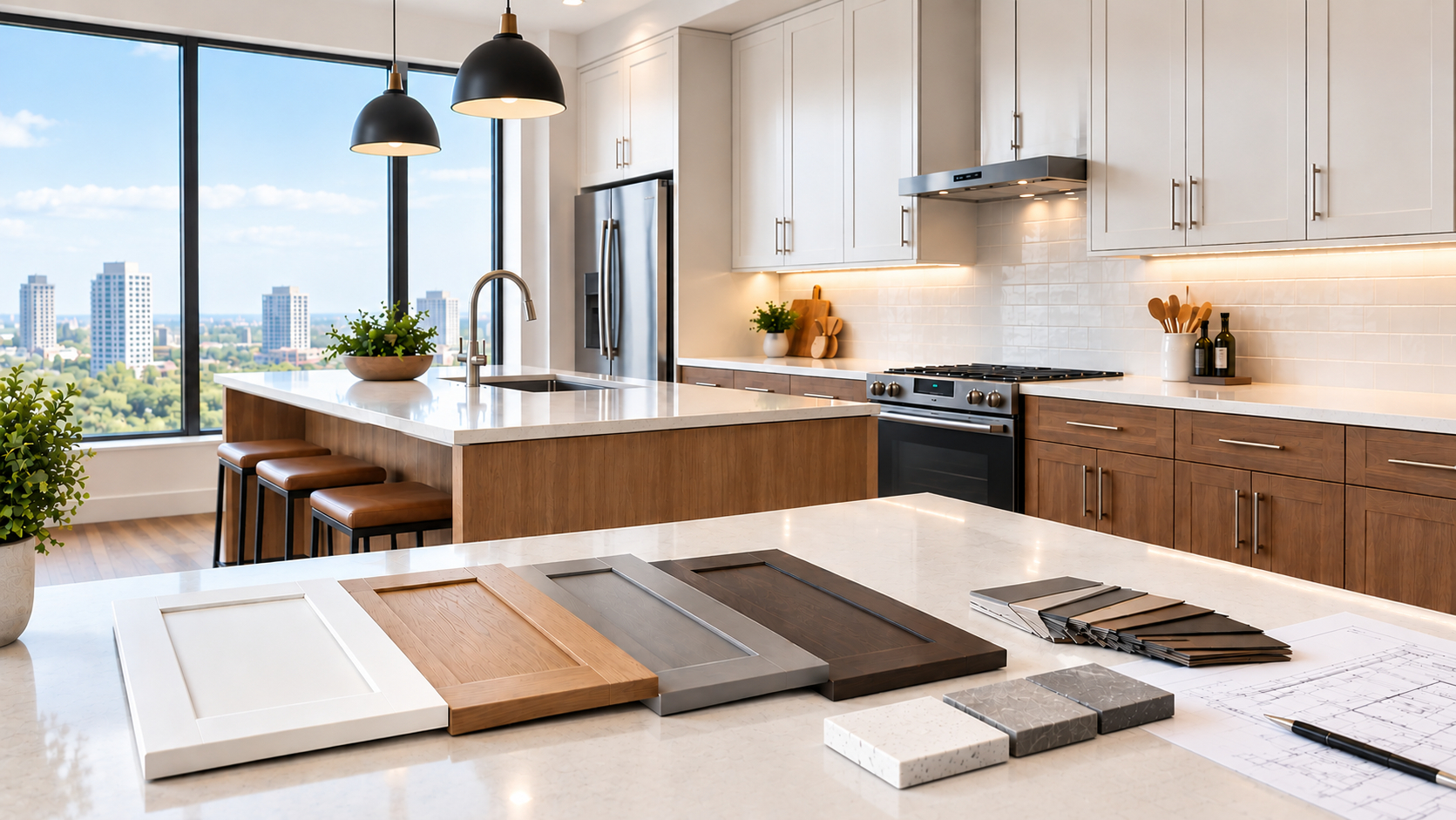
When planning a new multi-family apartment development, every stage of construction has to work together to keep th
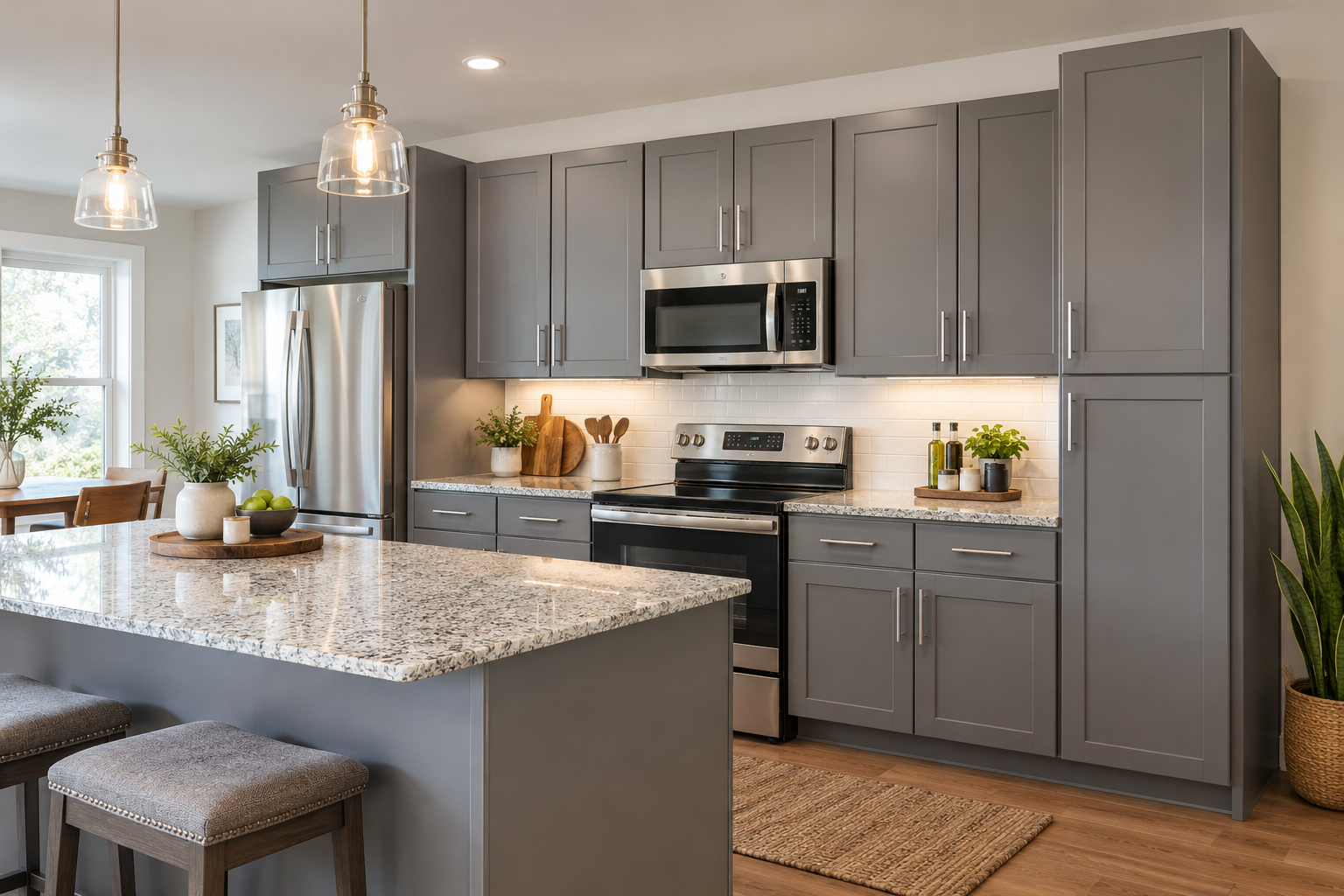
When designing a new multi-family apartment community, it is easy to focus on what is trending right now. But trend
Technology continues to change the way people use their kitchens. From smart appliances and hands-free lighting to