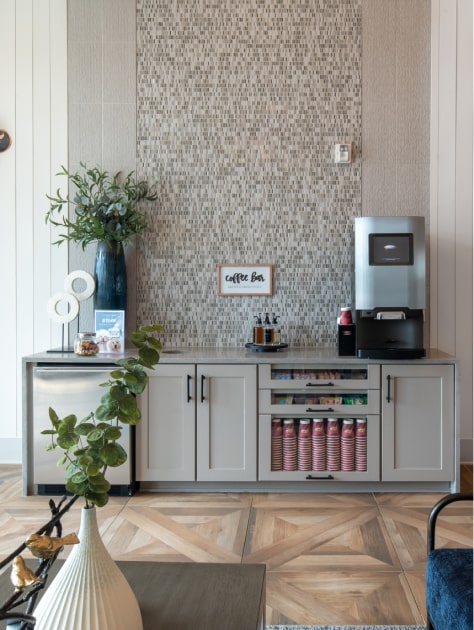
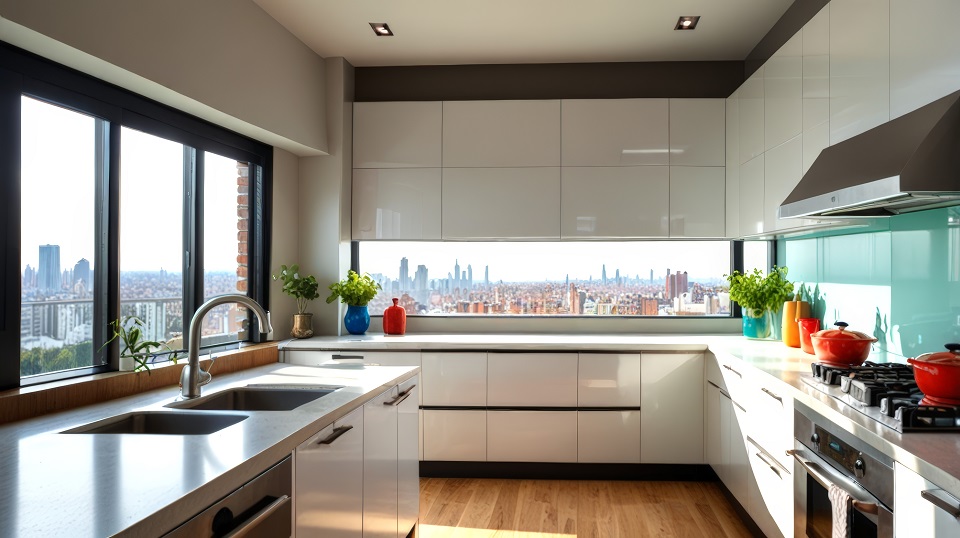
How to Create a Smart, Tech-Friendly Kitchen for Modern Living
Technology continues to change the way people use their kitchens. From smart appliances and hands-free lighting to


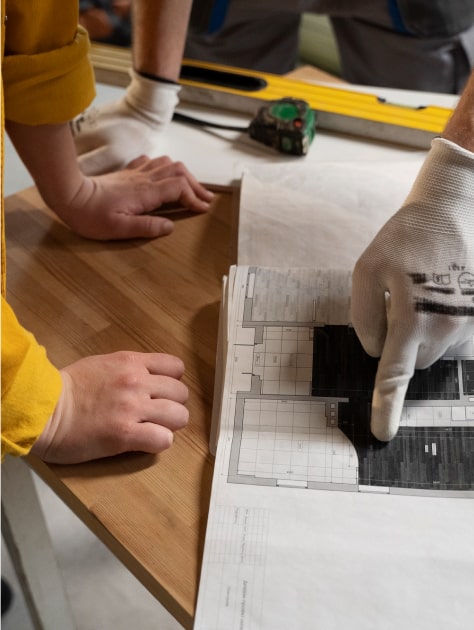
2026 Multi-Family Cabinet Trends Series | Part 3: Cost Optimization
Part 3 of our 2026 Multi-Family Cabinet Trends Series focuses on one of the most important considerations for developers: cost control. The goal isn’t to cut corners—it’s to make strategic design decisions that deliver value at scale while maintaining quality and consistency.
📐 Standardization with Strategic Flexibility
Standardizing cabinet sizes and layouts helps control costs across large-scale developments. At the same time, small variations in finishes or hardware can introduce visual differentiation without adding unnecessary complexity.
🧱 Smart Material Selection
Selecting durable, cost-effective materials is key to long-term performance. The right material choices help reduce maintenance needs and protect the overall investment without inflating project budgets.
🚪 Simplified Door Styles
Slim shaker and flat panel cabinet styles continue to perform well in multi-family applications. They offer a clean, modern look while remaining efficient to manufacture and install at scale.
🔩 Reducing Installation Complexity
Consistent layouts and streamlined cabinet systems help reduce labor time and limit installation challenges. This improves efficiency during construction and supports tighter project timelines.
📊 Designing for ROI
Every cabinet decision should support return on investment. The most effective designs balance visual appeal with durability and cost efficiency, ensuring long-term value for both developers and property owners.
Cost optimization is about making smarter design choices that enhance both appearance and long-term performance.
KCI partners with developers to create cabinetry solutions that meet budget goals without compromising quality. Contact us today to discuss your next project.
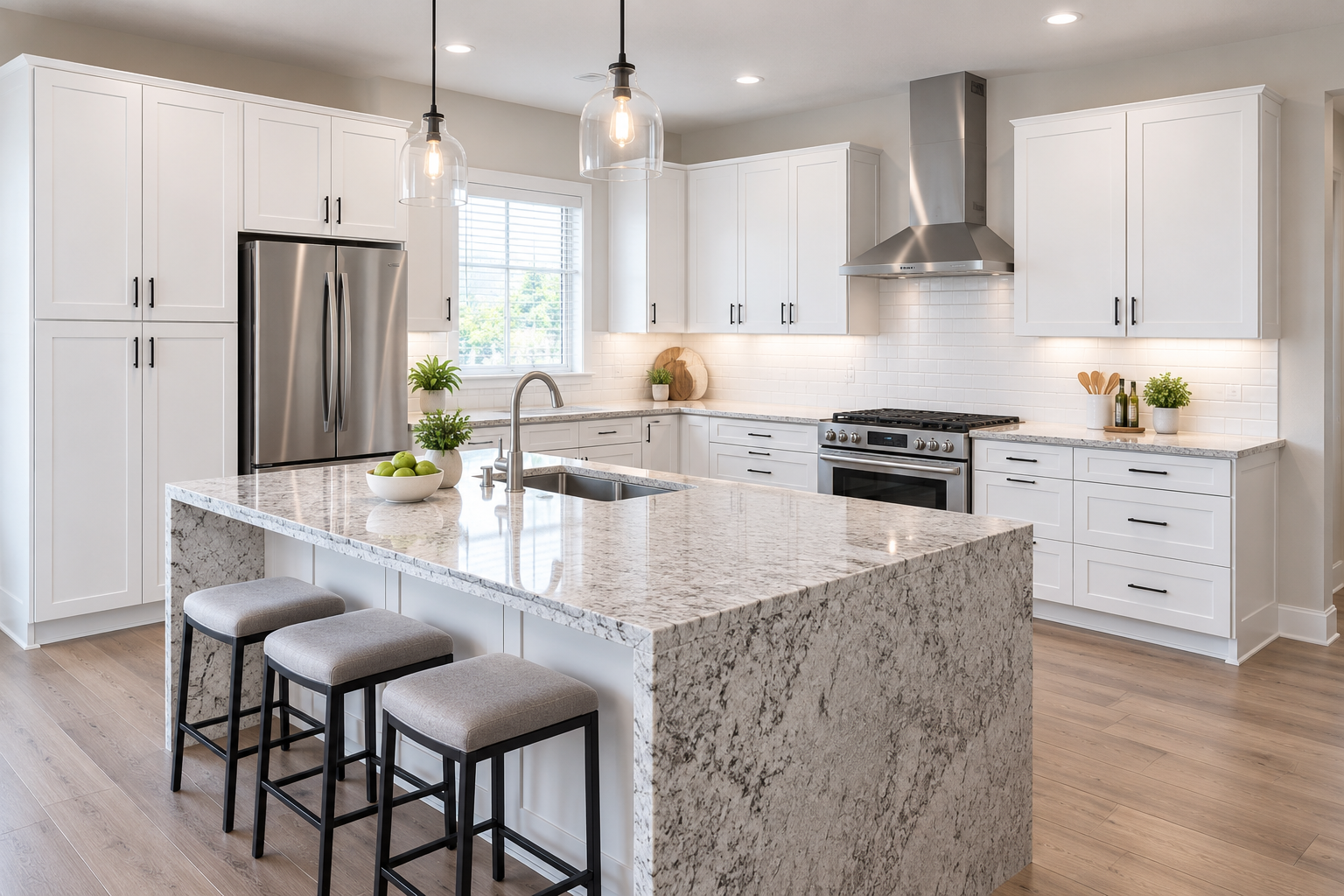
Technology continues to change the way people use their kitchens. From smart appliances and hands-free lighting to
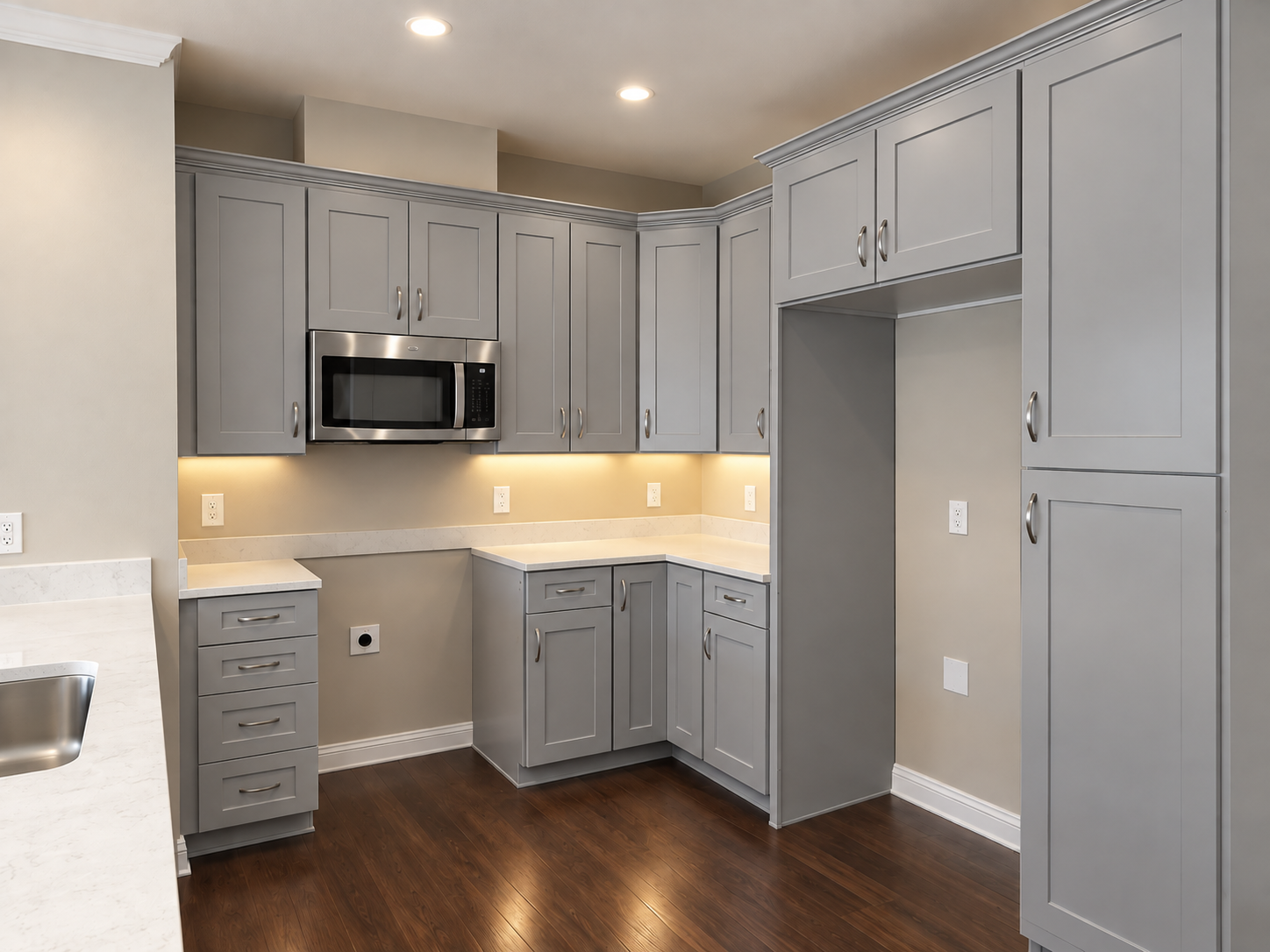
When planning a multi-family cabinet project, understanding cabinet costs early can help developers, builders, and
A small kitchen doesn’t have to feel cramped or limiting. With the right renovation strategies, even the most com