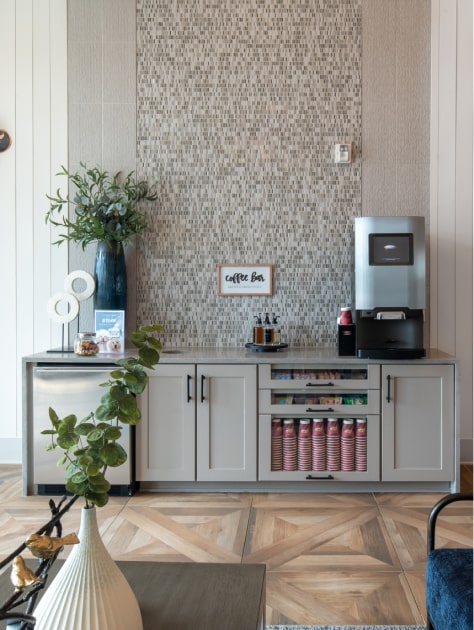
How to Create a Smart, Tech-Friendly Kitchen for Modern Living
Technology continues to change the way people use their kitchens. From smart appliances and hands-free lighting to


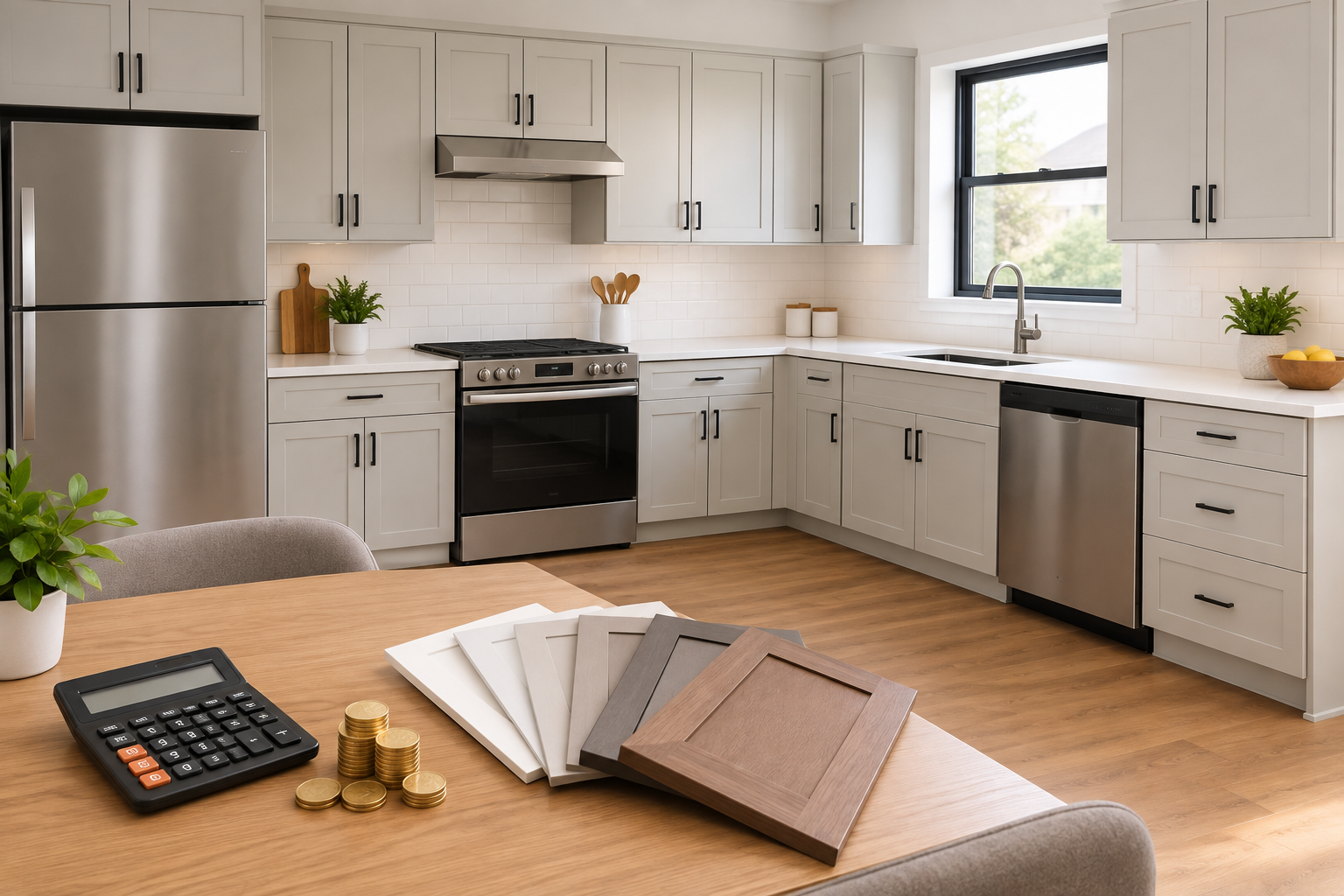
When planning a multi-family cabinet project, understanding cabinet costs early can help developers, builders, and contractors create accurate budgets and make informed decisions. Ready-to-assemble (RTA) cabinets are often considered a cost-effective option because they are manufactured in standard sizes and shipped unassembled.
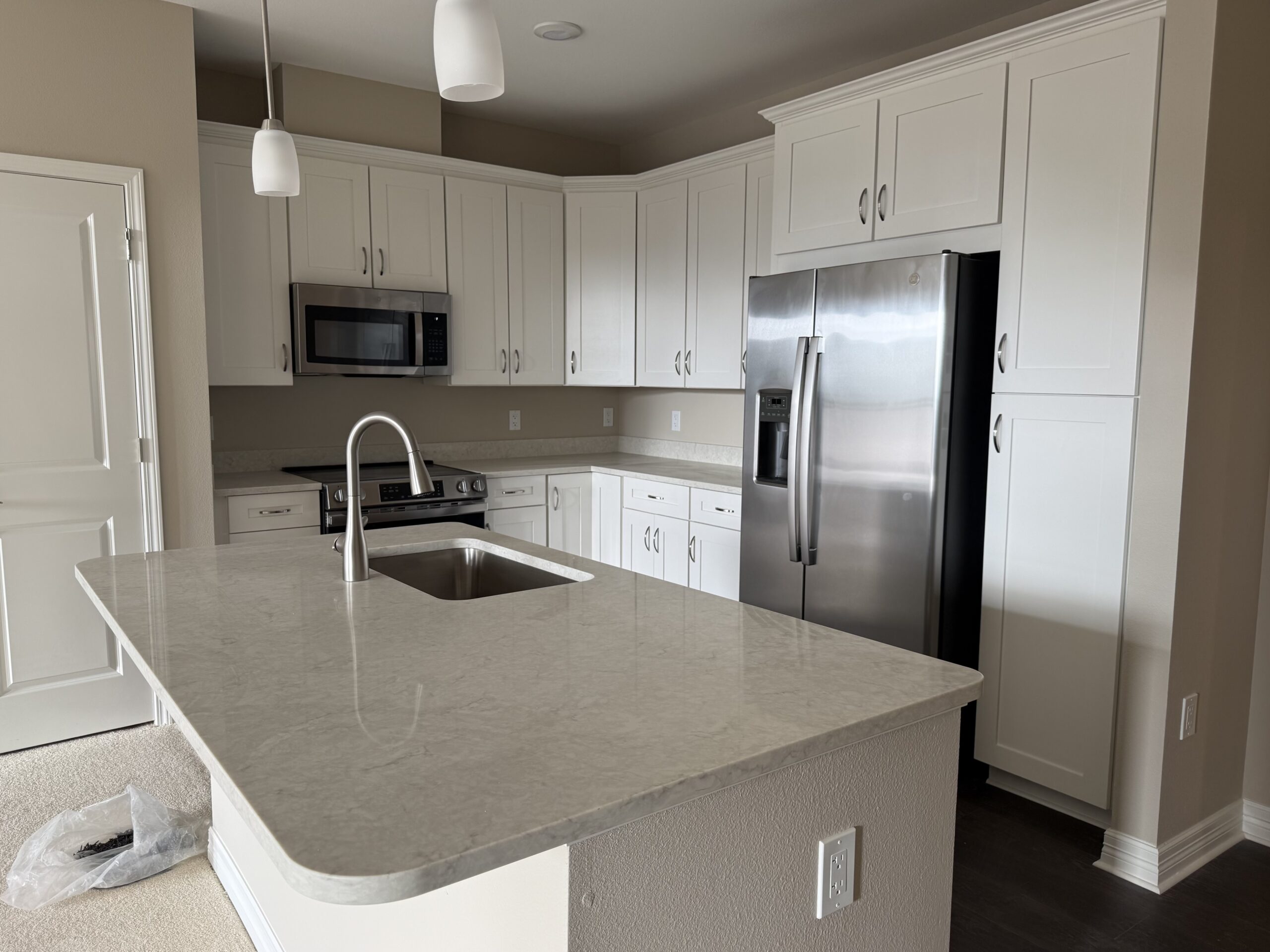
For a standard 10×10 kitchen, RTA cabinet costs can vary significantly depending on materials, construction, door style, finish, hardware, and the overall cabinet package. While a 10×10 kitchen is commonly used as a pricing reference, actual project costs can be different based on the layout and specifications.
A standard 10×10 kitchen is a benchmark used by cabinet manufacturers to provide a general starting point for pricing. It does not necessarily represent the actual size or layout of an apartment kitchen.
A typical 10×10 layout may include approximately 10 linear feet of upper cabinets and 10 linear feet of lower cabinets. The exact number of cabinets, sizes, drawers, and accessories can vary.
For multi-family projects, pricing should ultimately be based on the actual cabinet schedule and specifications rather than relying solely on a 10×10 estimate.
As a general industry estimate, RTA cabinets for a standard 10×10 kitchen may range from approximately $1,500 to $4,000 or more for cabinets alone.
The price can increase depending on the selected materials, construction, finish, storage accessories, and customization.
It’s also important to remember that cabinet pricing may not include:
For apartment projects with multiple units, purchasing cabinets as part of a larger project can create different pricing opportunities than purchasing a single kitchen.
Several factors can influence the final cost of an RTA cabinet package.
The construction method and materials used can have a significant impact on price. Cabinet boxes, doors, drawer components, and hardware can all vary in quality and cost.
Simple door styles can be more budget-friendly, while more detailed profiles or upgraded designs may increase the overall price.
Popular styles include Shaker, Slab, Raised Panel, and Picture Frame doors.
Painted, stained, and thermofoil finishes can have different price points. The finish also plays an important role in the overall look and durability of the cabinets.
Features such as pull-out drawers, trash-can pullouts, Lazy Susans, and other cabinet accessories can add functionality—but they can also increase the cost of the cabinet package.
For multi-family projects, these upgrades should be evaluated based on resident needs, project goals, and the overall budget.
One of the biggest differences between pricing a single kitchen and pricing an apartment development is volume.
A multi-family project may involve dozens or hundreds of kitchens. Cabinet quantities, specifications, delivery requirements, scheduling, and installation can all affect the overall project cost.
RTA cabinets can be an option for certain multi-family projects, particularly when standardized cabinet sizes and designs are appropriate for the development.
However, the lowest cabinet price is not always the lowest overall project cost.
Contractors and developers should also consider:
For apartment developments, having a reliable cabinet supplier that understands multi-family construction can help keep projects moving and reduce unexpected issues.
One reason RTA cabinets can have a lower upfront price is that they are shipped unassembled. This can reduce certain manufacturing, packaging, and transportation costs.
However, the savings need to be considered alongside the labor required to assemble the cabinets.
For a multi-family project, time and labor are important parts of the overall cabinet budget. A lower cabinet purchase price may not necessarily result in a lower installed cost.
When comparing cabinet options, look at the total project cost, not just the price of the cabinet box.
A 10×10 kitchen estimate can be useful when beginning the budgeting process, but it should not be used as the final price for an apartment project.
For a more accurate estimate, provide your cabinet supplier with:
These details allow the supplier to develop pricing based on the actual scope of the project.
Also Read: Assembled vs. RTA Cabinets – Which Is Right for Your Project?
For apartment developments, cabinet costs should be considered as part of the entire construction budget. Standardizing cabinet styles and specifications across units can make purchasing, installation, replacement, and future maintenance easier.
At Kitchen Cabinets Inc. (KCI), we focus exclusively on multi-family apartment projects, providing turnkey cabinet solutions for cabinet contractors and developers nationwide. Our team can assist with design planning, competitive estimates, project management, delivery, and installation.
Whether you’re budgeting a new apartment development or planning a renovation, getting an accurate cabinet estimate based on your actual project specifications is the best way to understand your true costs.
Have a multi-family cabinet project to price? Contact KCI today to discuss your project and request an estimate.
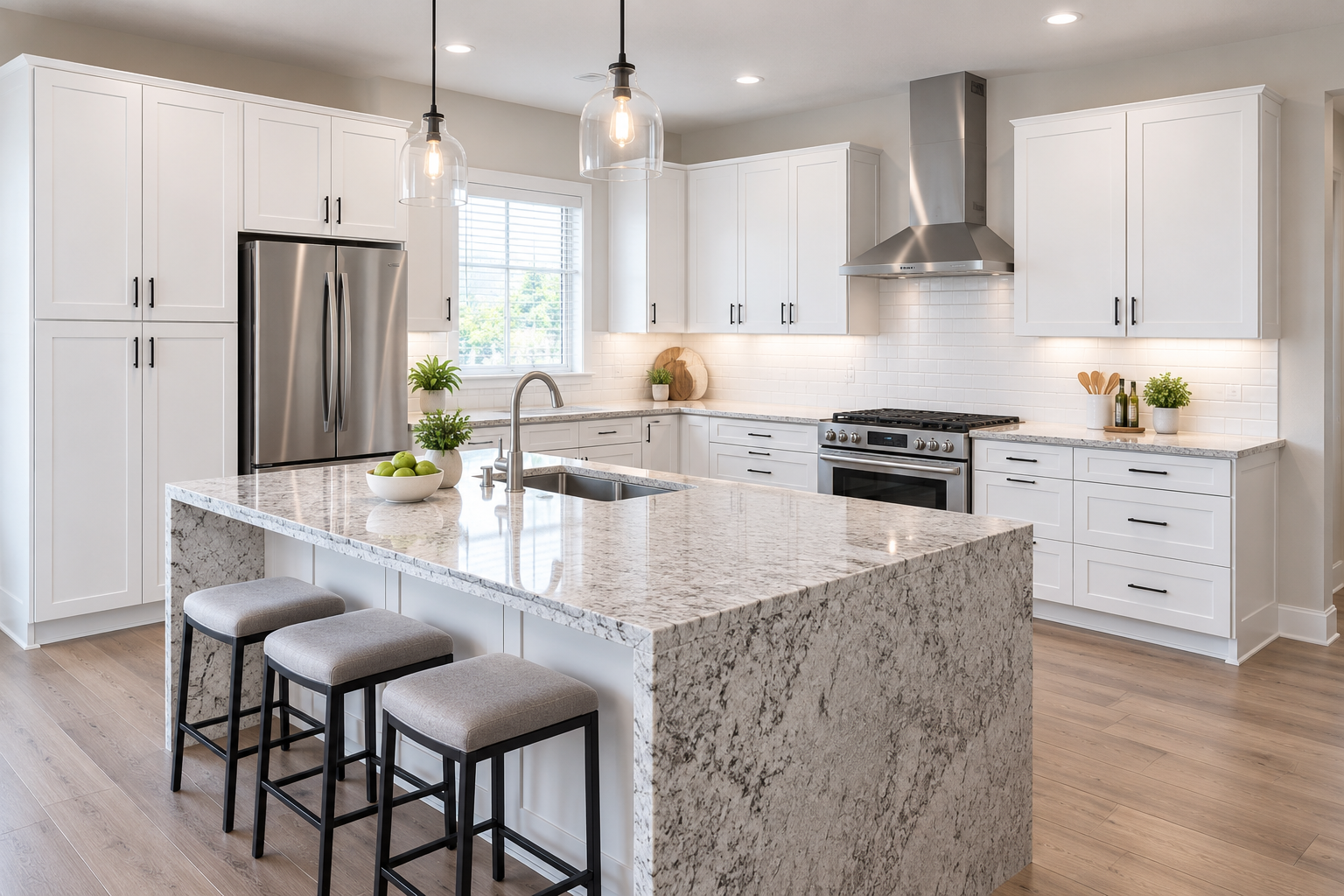
Technology continues to change the way people use their kitchens. From smart appliances and hands-free lighting to
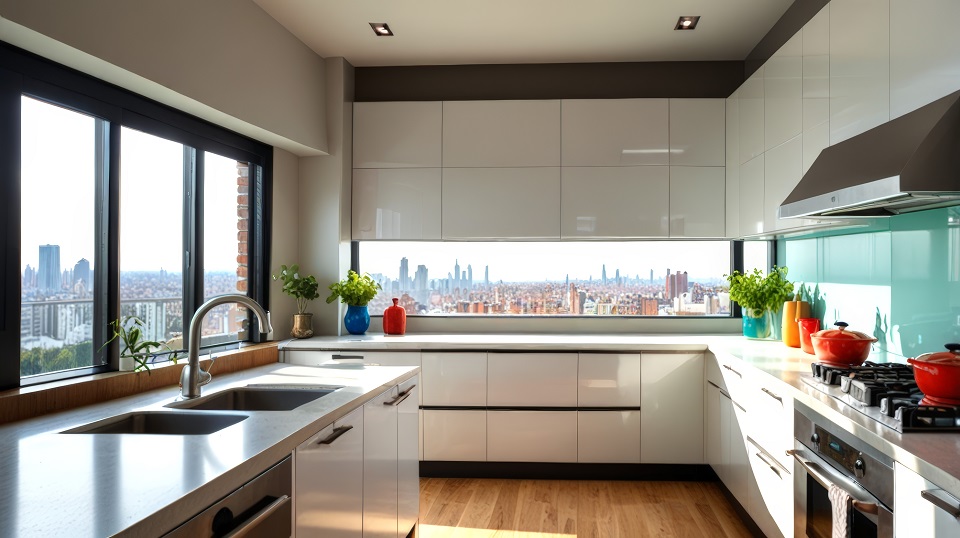
A small kitchen doesn’t have to feel cramped or limiting. With the right renovation strategies, even the most com
Choosing the right countertop material is one of the most important decisions in any kitchen design. Counter