How to Create a Smart, Tech-Friendly Kitchen for Modern Living
Technology continues to change the way people use their kitchens. From smart appliances and hands-free lighting to



In multi-family developments, the kitchen isn’t just a place for cooking—it’s often the heart of the home and a major selling point for potential residents. A well-designed kitchen can boost property value, attract tenants faster, and enhance long-term satisfaction. On the other hand, common design missteps can lead to complaints, costly renovations, and reduced occupancy rates.
The “work triangle” refers to the optimal placement of the sink, stove, and refrigerator. If these elements are too far apart—or too close—residents may find the kitchen awkward and inefficient. In multi-family units, where space is often at a premium, poor appliance placement can make the kitchen feel cramped and uncomfortable.
Tip: Maintain a balanced flow between the three main work areas, ensuring each has enough counter space to be functional.
Insufficient storage is one of the most common resident complaints. Without enough cabinets, drawers, and pantry space, kitchens quickly become cluttered and difficult to use.
Tip: Use tall cabinets to maximize vertical space, and consider incorporating deep drawers for pots and pans. Smart storage solutions help make smaller kitchens more livable.
Multi-family kitchens experience high turnover and heavy use. Low-quality materials and finishes may save money upfront but can wear quickly, leading to higher maintenance costs and frequent replacements.
Tip: Choose durable, easy-to-clean materials for cabinets, countertops, and flooring. Surfaces should resist scratches, stains, and moisture damage.
Relying on a single overhead light can leave work areas dim and make kitchens feel smaller. Poor lighting can also make it harder for residents to prepare meals safely.
Tip: Layer lighting with a mix of ambient, task, and accent fixtures. Under-cabinet lighting is an affordable way to improve visibility and modernize the look.
Inconsistent appliance sizes can create layout headaches and waste valuable space. Oversized appliances in small kitchens can overwhelm the design, while undersized units may frustrate residents.
Tip: Select appliances that suit the space and meet resident needs. Standardizing sizes across units can also streamline future replacements.
While aesthetics matter, a visually stunning kitchen that lacks practicality will quickly lose its appeal. For example, trendy open shelving may look great but can be impractical for residents who need enclosed storage.
Tip: Balance design trends with everyday usability. Timeless cabinet styles and neutral finishes appeal to a wide range of tenants.
Not all residents have the same mobility needs. A lack of accessible features can limit your tenant pool and hurt long-term marketability.
Tip: Incorporate universal design principles, such as lever handles, lower countertop sections, and easy-to-reach storage, to make kitchens more inclusive.
In multi-family development, kitchens are more than just a functional necessity—they’re a deciding factor for many renters and buyers. Avoiding common design mistakes not only saves money on future renovations but also ensures your units remain competitive in a crowded market.
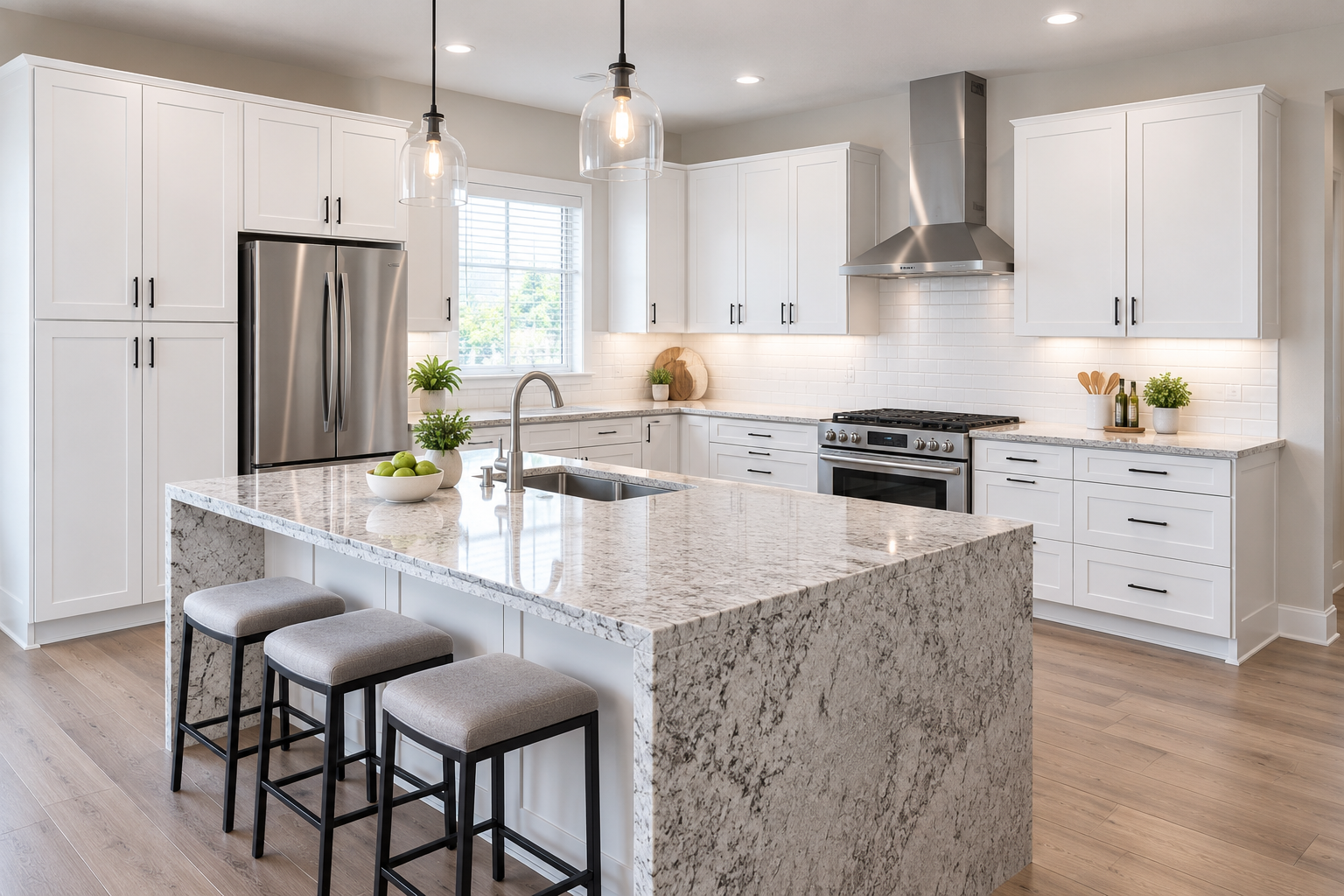
Technology continues to change the way people use their kitchens. From smart appliances and hands-free lighting to
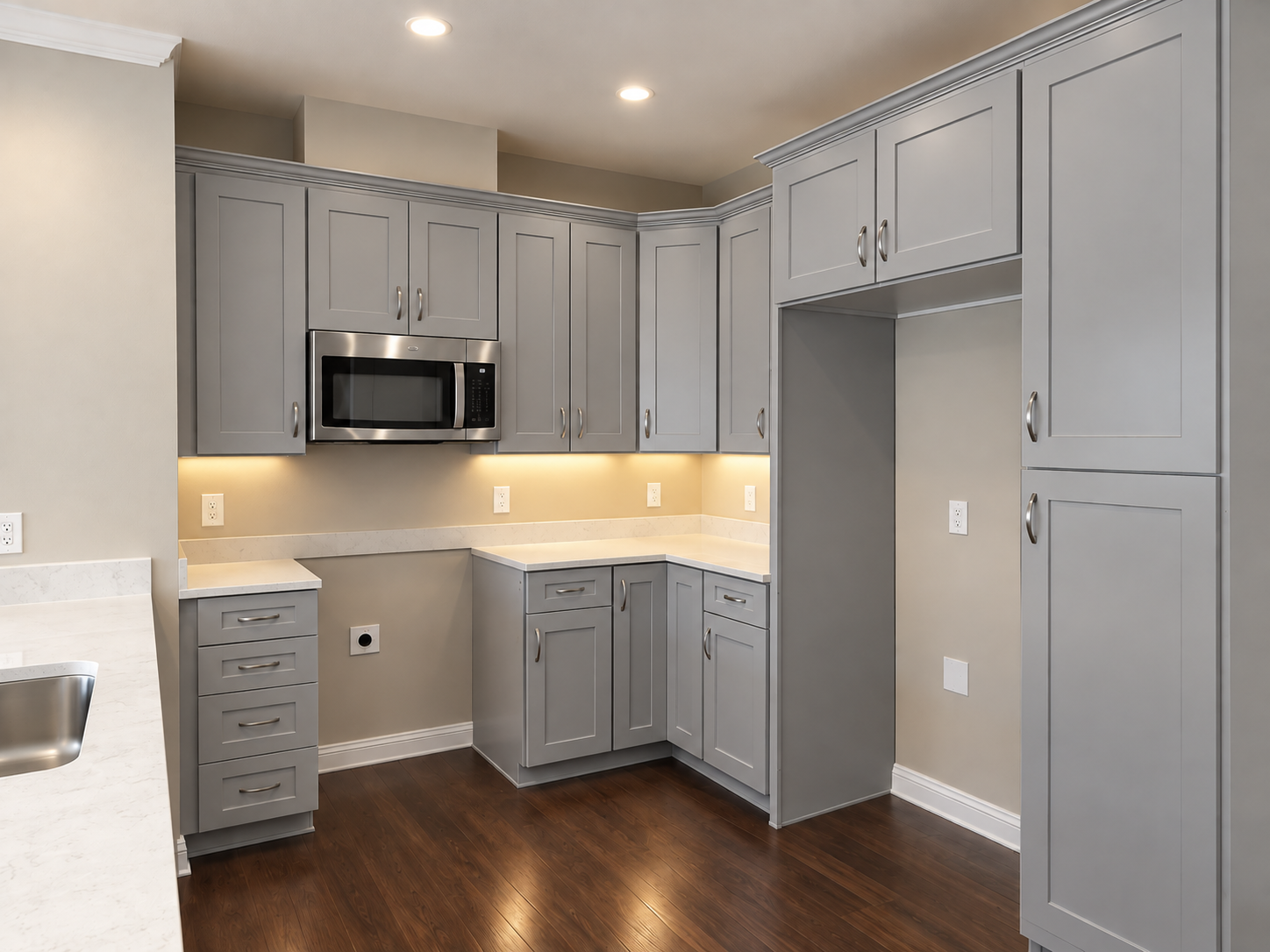
When planning a multi-family cabinet project, understanding cabinet costs early can help developers, builders, and
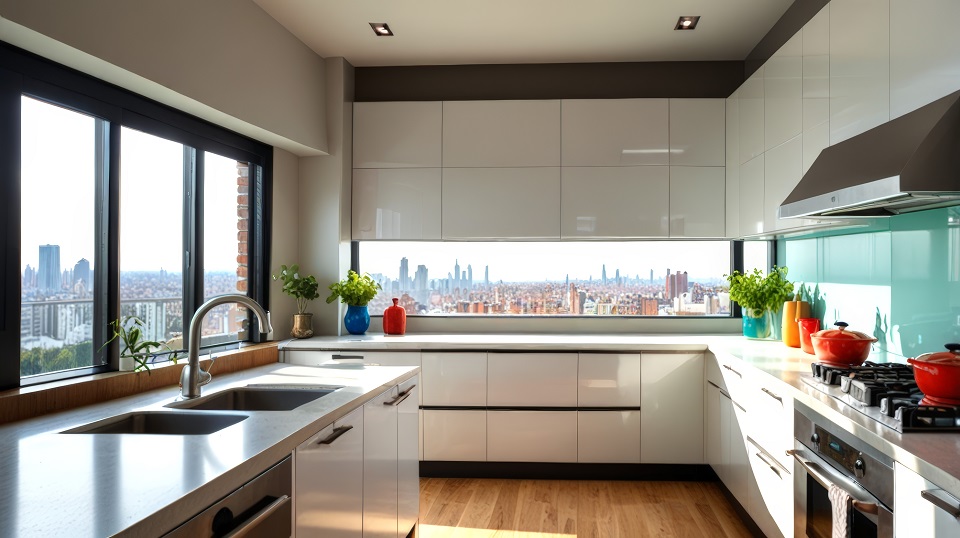
A small kitchen doesn’t have to feel cramped or limiting. With the right renovation strategies, even the most com