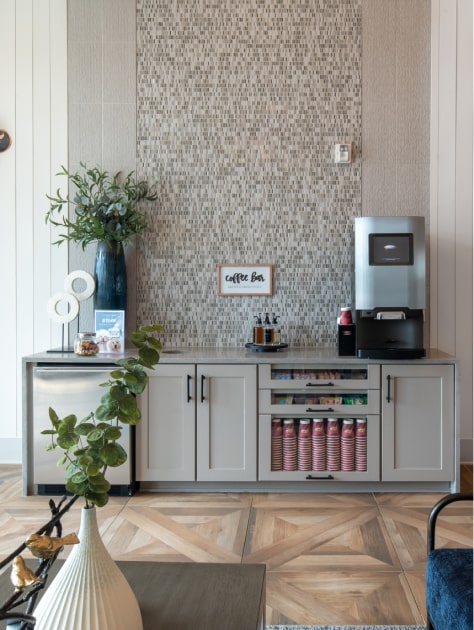
Quartz vs. Granite Countertops: Which Is Best for Your Kitchen?
Choosing the right countertop material is one of the most important decisions in any kitchen design. Counter



Selecting the right countertop material is a critical decision in multi-family kitchen design. Countertops must balance durability, maintenance, visual appeal, and cost efficiency—especially when specified across dozens or hundreds of units. Two materials often confused due to their similar names are quartz and quartzite. While they may sound alike, their performance and applications differ significantly.
Quartz countertops are engineered surfaces made from natural quartz combined with resins and pigments. This manufacturing process allows for precise control over color, pattern, and finish—making quartz a popular choice in large-scale multi-family developments.
Quartzite countertops are natural stone slabs formed when sandstone is subjected to extreme heat and pressure. The result is a dense, durable stone with natural veining and variation—often resembling marble.
Both materials perform well in kitchen environments, but their durability differs in practical ways.
Maintenance requirements can significantly impact long-term operating costs.
Consistency is often a priority in multi-family developments.
Quartz manufacturers often incorporate recycled materials into their slabs, while quartzite appeals to projects emphasizing natural stone sourcing. Both options offer long lifespans when properly installed.
For most multi-family kitchen applications, quartz countertops are a preferred solution due to their durability, low maintenance, consistency, and cost control. Quartzite is ideal for feature areas, luxury units, or amenity spaces where natural stone aesthetics are a priority.
Partnering with KCI
At KCI, we help multi-family developers and project teams make informed material selections that support long-term performance and visual consistency. From cabinetry to countertop coordination, our expertise ensures your kitchens are built to perform at scale.
Contact KCI to discuss countertop and cabinetry solutions designed for efficiency, durability, and design cohesion.
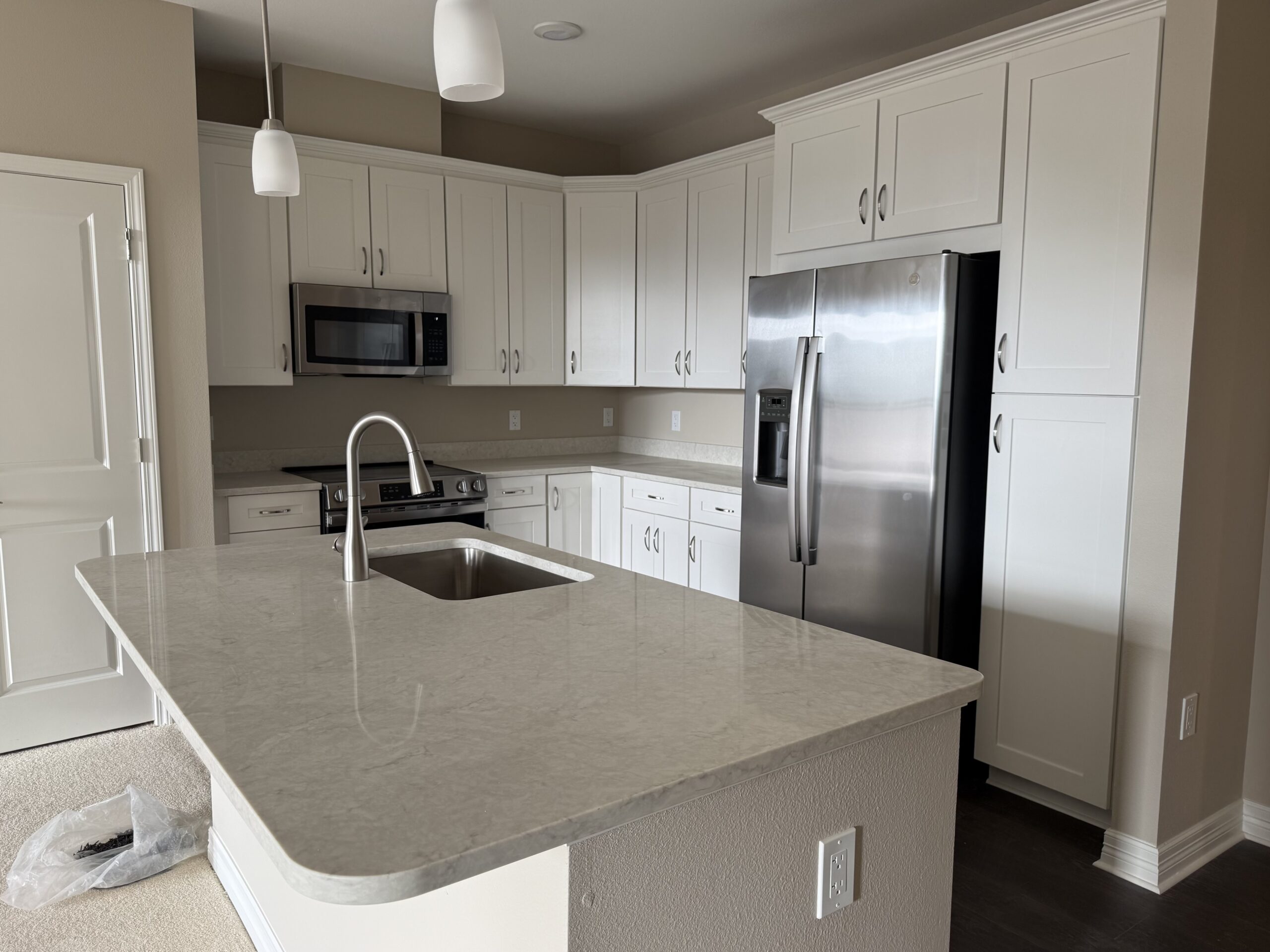
Choosing the right countertop material is one of the most important decisions in any kitchen design. Counter
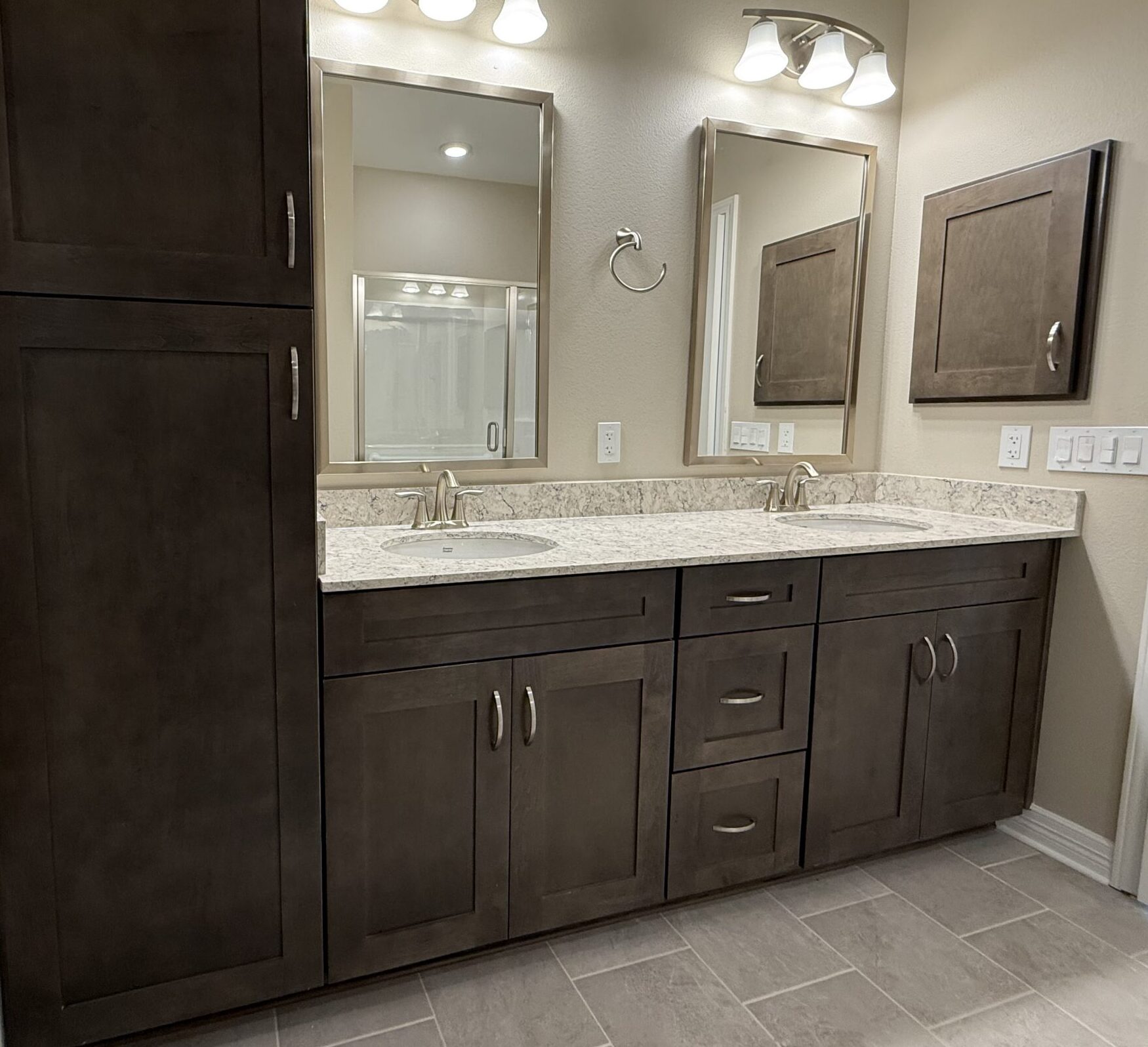
When it comes to multifamily construction projects, selecting the right cabinet manufacturer is one of the m
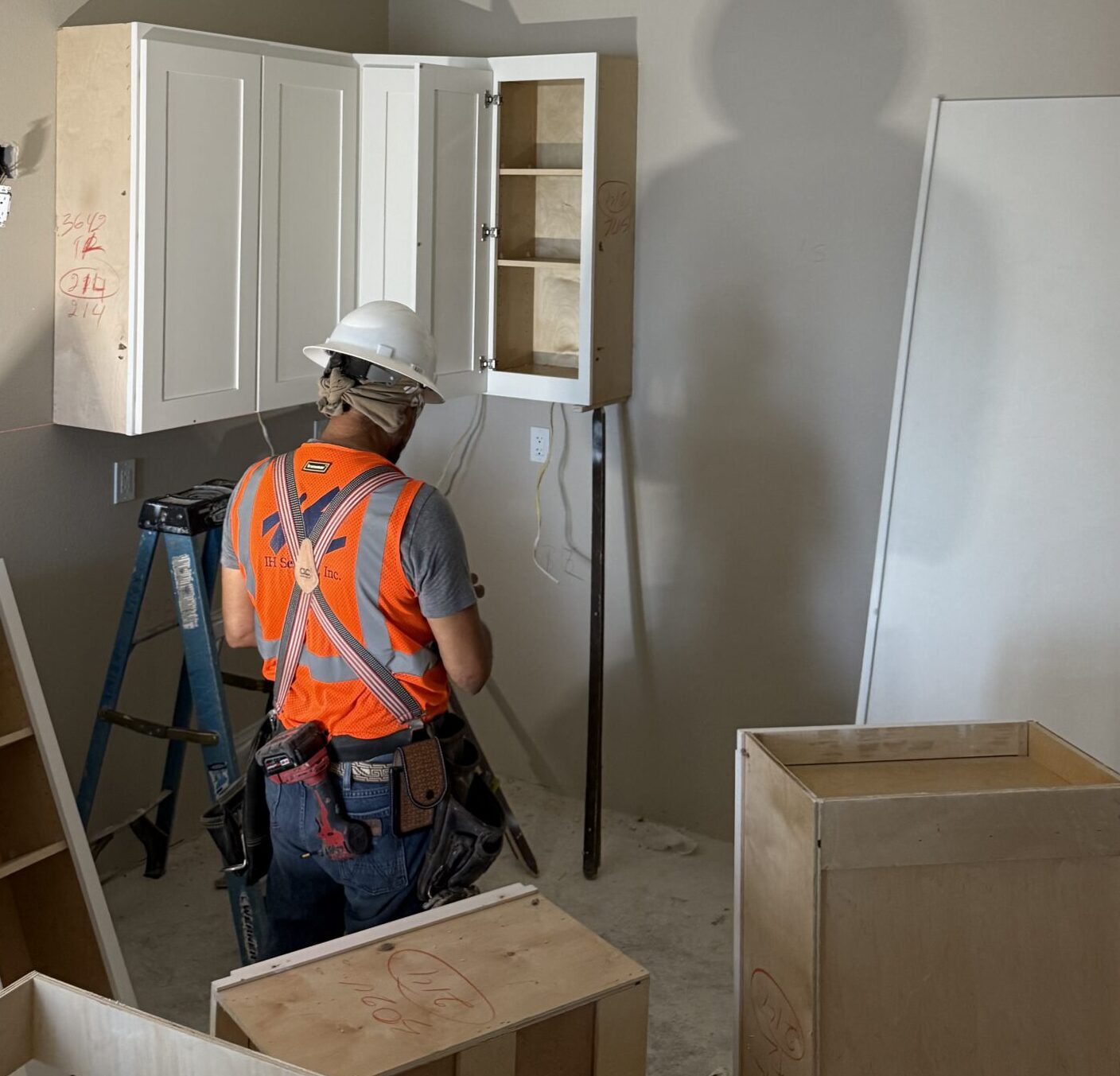
When developing, renovating, or managing apartment communities, cabinetry plays a critical role in both resident sa